USE OUR PARTS FINDER ABOVE TO QUICKLY FIND THE RIGHT PART FOR YOUR VEHICLE.
SWAN BRAKE PADS
Our brake pads suit the world's most popular and widely sold vehicles
With over two decades of research our SWAN brake pads are made by a World leading manufacturer that has a market share as far reaching as North America, South America, Europe, the Middle East, Asia and Australia.
The company is an original equipment manufacturer (O.E.M) of pads to over 20 vehicle companies, which includes Volkswagen, Chrysler, Ford USA and Japanese Auto, they also supply pads to well-known brake pad brands.
SWAN Ceramic brake pads are made using a ceramic compound and copper fibres rather than the steel fibres found in semi-metallic pads, this compound reacts to heat by tightening its molecular structure resulting in a dramatic increase in braking performance.
SWAN brake pads are designed and developed to either meet or exceed all original vehicle specifications.
Our brake pads suit the world’s most popular and widely sold vehicles and are designed using market leading technologies to produce a final quality product that has passed: ISO9001, VDA6.1, QS9000, ISO/TS16949 and ISO14001 standards.
With the use of advanced friction material testing and a scientific research centre, SWAN brake pads are designed and developed to either meet or exceed all original vehicle specifications.
A series of cutting-edge instruments such as, electronic lens, sulphur dioxide atomization detection, Linke benchmark testing and the use world’s most advanced LINK NVH3900 noise test bench, ensure that SWAN brake pads always lead the way in quality, performance and environmental protection.
The benefits of SWAN pads are:
Identical Specifications to Original Equipment
Increased Stopping Performance & Faster Recovery After Stopping
Less Dust & Wear on Both Pads and Rotors/Discs
Helps to Maintain a Cleaner Wheels
Able to Handle Extreme Braking Temperatures & Conditions
Higher Heat Fade Resistance
Reduced Noise & Vibrations
Scorching process to eliminate bedding-in – Asbestos free
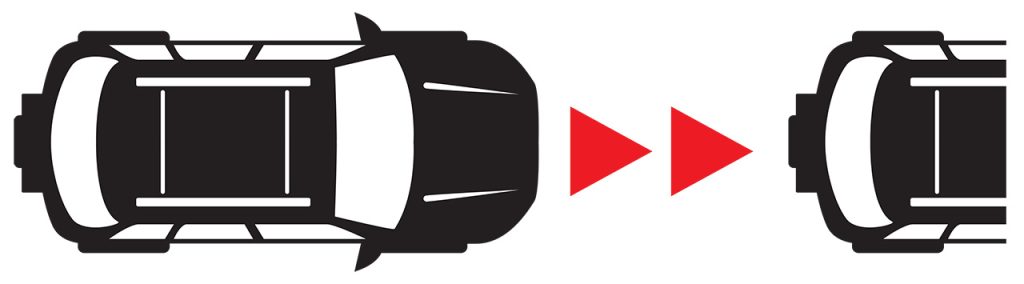
NEW BRAKES INCREASE YOUR ABILITY TO STOP
Increased stopping performance and faster recovery
HOW BRAKE PADS WORK – A Quick Rundown
Simply put, “the brakes on a car convert the kinetic energy of a moving vehicle into heat”.
The brake system absorbs the kinetic energy by breaking down the chemical bonds in the rubbing surfaces of the brake pads and rotor. This action is known as “abrasive friction”, the abrasive action between the pads and rotor causes the pads to wear down, which results in brake pad dust.
An improved way to absorb kinetic energy is via “cohesive friction” (also known as adhesive friction). Cohesive friction is used in modern, non-asbestos brake pads.
Cohesive friction brake pads transfer a film of friction material on the surface of the rotor. While you drive the rotor passes between the pads, as this occurs the friction film on the pads and rotors heat up and become sticky.
As a result, the pads and friction film end up bonding to each other and then break apart, which absorbs energy.
The bonding and breaking cycle continues as the rotor passes between the pads.
Cohesive friction relies on and changes with different surface temperatures. The film that is sticky at 30°C might not perform well and become slippery at a higher temperature. As a result, the adhesive friction film needs to use a mixture of adhesive ingredients to maintain the “sticky” properties over a range of temperatures.
Under its designed conditions, brake pads that use the cohesive friction process do not wear down the rotor, as the rotor iron is protected by the friction film. On the other hand, the pads wear down just to keep an adequate supply of adhesive film between pad and rotors.
If the pads and rotor work together adequately, there will be no material loss from the pads and therefore, no brake dust.
As mentioned above, Cohesive friction is not possible at extreme temperatures, as found in high performance situations like race cars. The adhesive process loses its effectiveness when the temperature gets too hot. The only truly effective brake pads for this situation are the abrasive friction pads. If Cohesive friction pads are used, the pads will wear down at an accelerated rate.
Bear in mind that high performance brake pads using abrasive friction means more dust.
High performance abrasive pads are not needed in everyday driving conditions, remembering that speeds on Australian roads generally do not exceed 110km/h. With the latest modern ceramic brake pads, drivers will get ample braking performance with minimal to no brake dust.
With all stock being housed in our Melbourne warehouse and available for immediate delivery, there is no need to wait on stock arrival from third party suppliers.
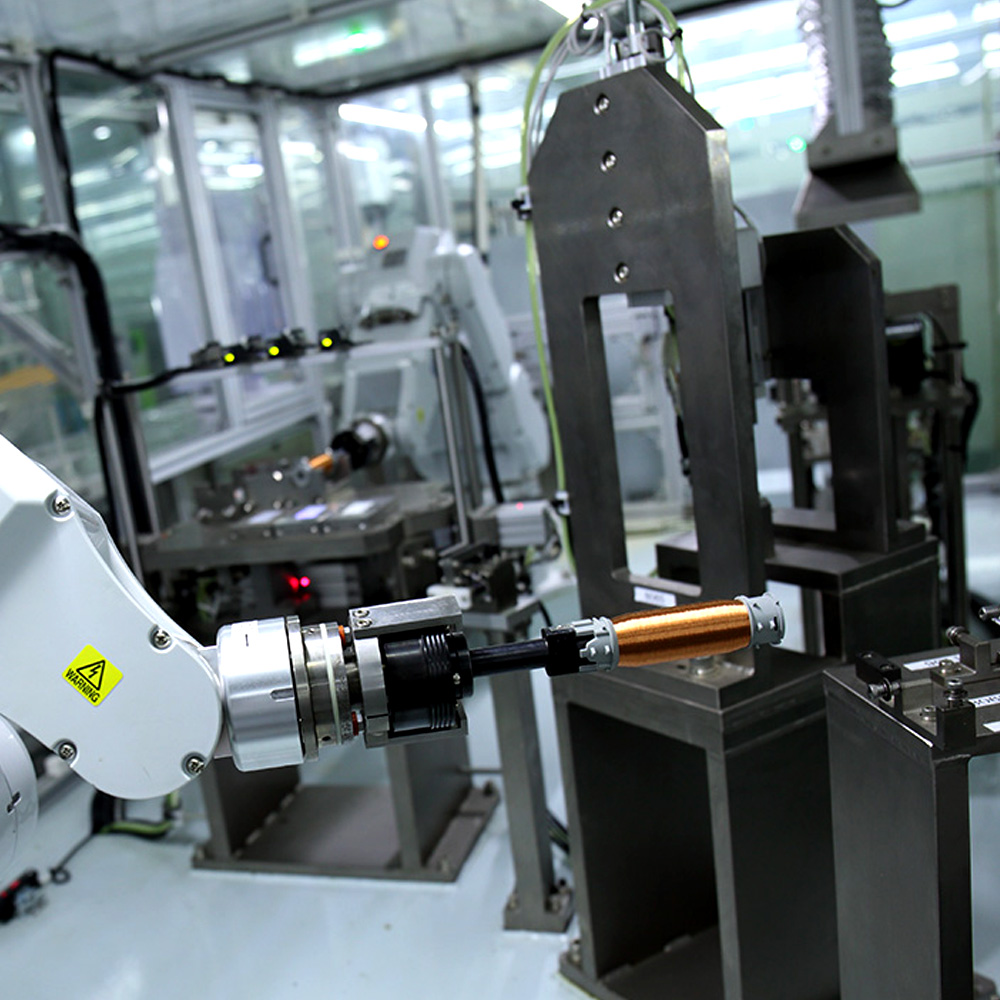
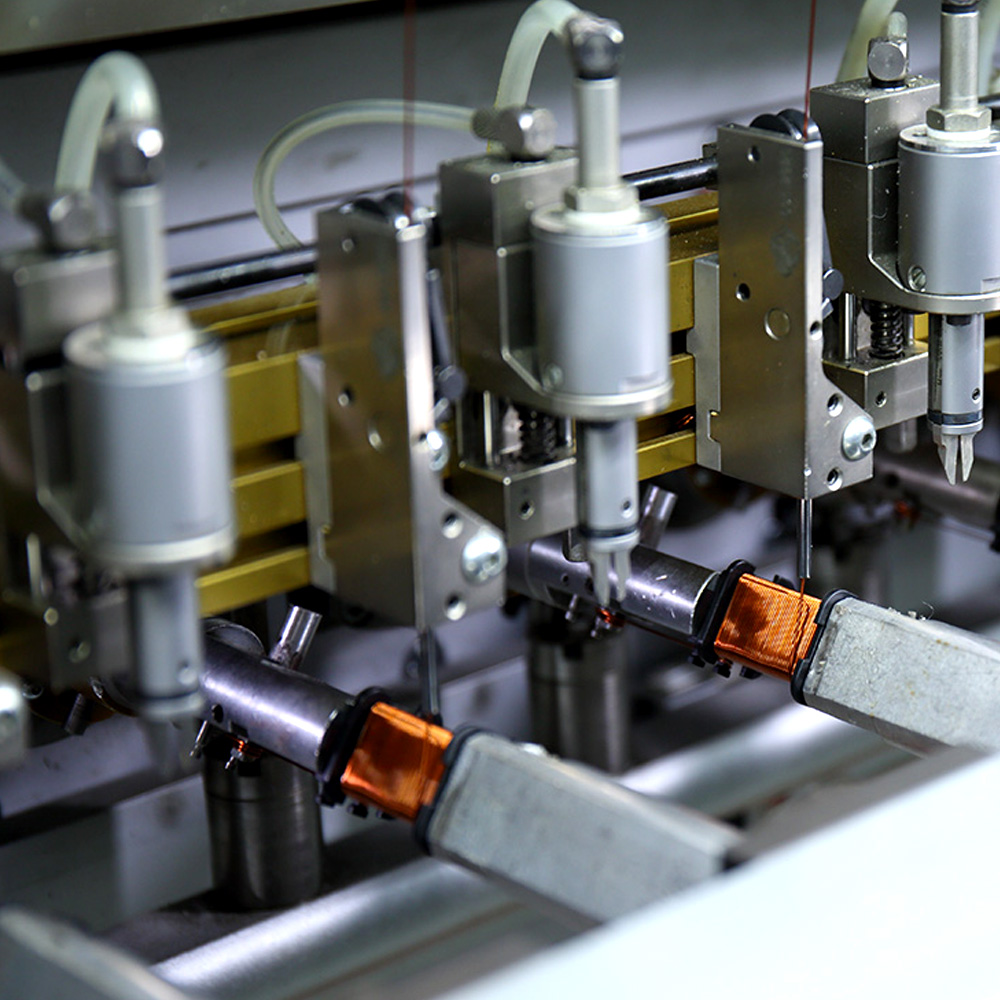
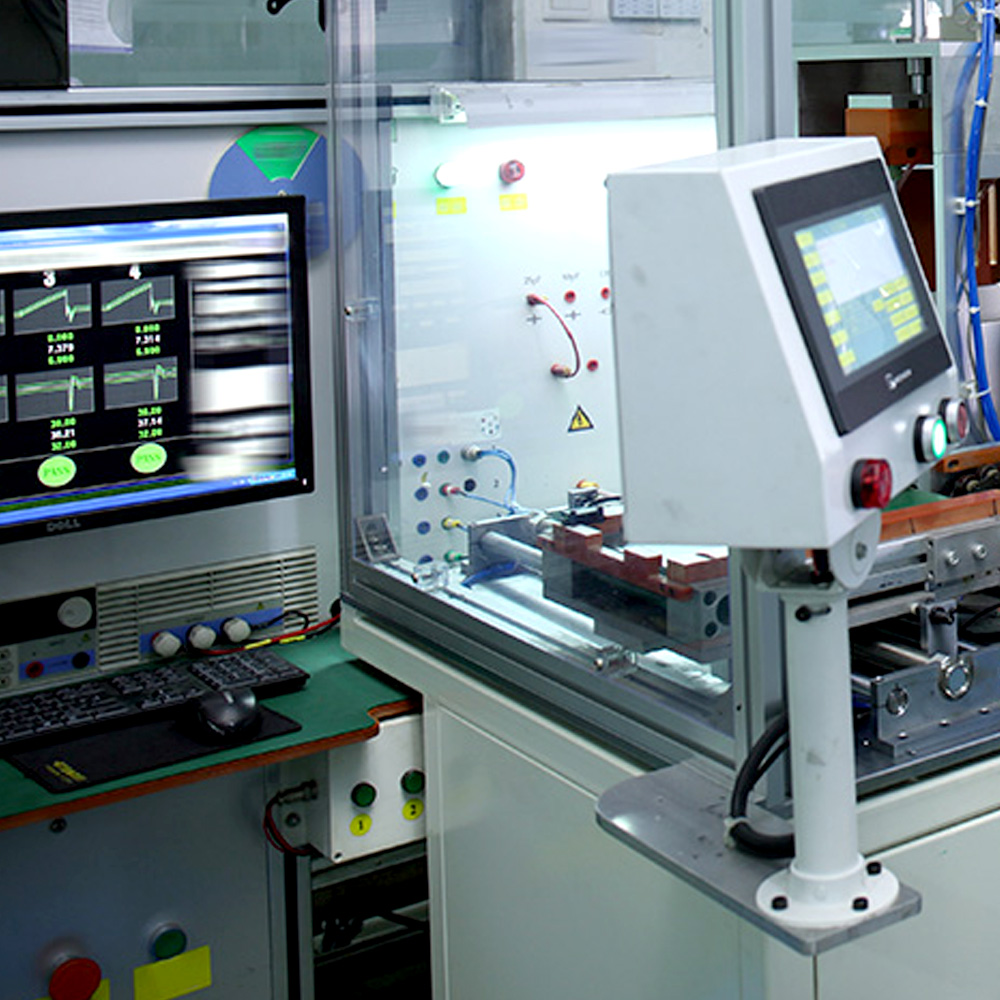
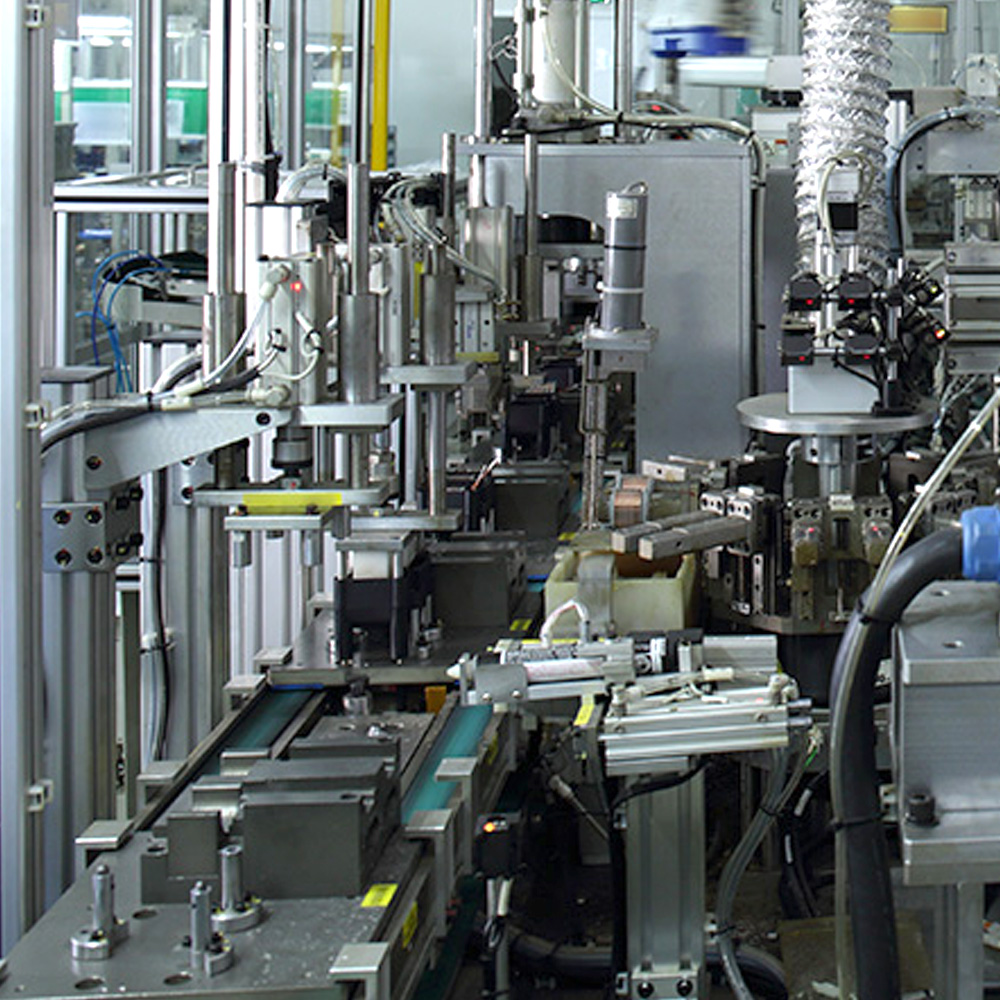
A Look into Our Manufacturing Process
Copper Winding Process
Copper Core Insertion Process
Secondary Winding Process
Quality Assurance Testing
SWAN AUTOMOTIVE PARTS
tested to meet or exceed Australian driving conditions.