SWAN FUEL PUMPS
Made by an Original Equipment Manufacturer (O.E.M), SWAN fuel pumps and modules meet all original vehicle manufacturer specifications.
SWAN Fuel pumps and modules have been awarded quality assurance; IA/TS16949, ISO14001, ISO9001 and OHSAS18001 certifications and have been tested to meet or exceed Australian driving conditions.
The manufacturer was founded in 1994 and is a world leading supplier to the European, American, Chinese, Japanese and South Korean automotive markets, with 90% of the product range exported to customers all over the world.
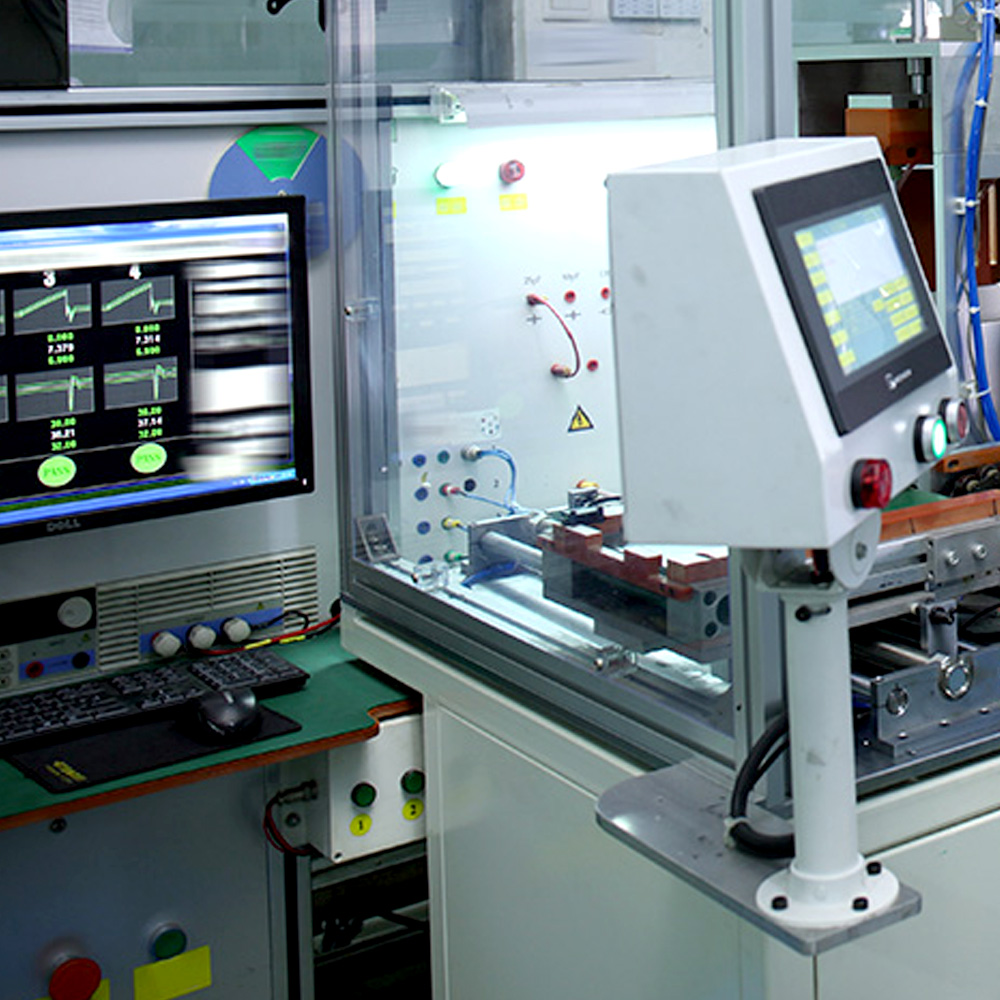
The manufacturing plant covers 85,000 m2 and has the annual capacity to produce 4.2 million units of electric fuel pumps and modules.Incorporated into the plant is the ability to; performance test, environment test and durability test all fuel pumps and module assemblies.
Each pump undergoes a 60–90 day development cycle, with modules undergo a 90–180 day development cycle.
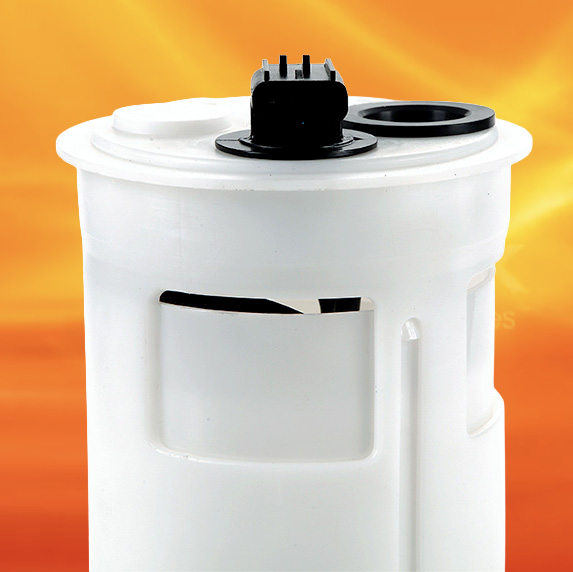
Integrated oil level sensor, micro pressure sensor, FLVV valve, rollover valve, pressure regulating valve and other auxiliary components to ensure efficient and stable operation of the fuel system.
FUEL PUMPS
TROUBLE SHOOTING
All inspection and repair work must be completed by a qualified person.
- This informationt is a reference only and should not replace the judgement of a qualified person.
- Check the fuel pump fuse and fuel pump relay as outlined in the service manual.
- If the pump has power and proper polarity, check the remainder of the fuel system as outlined in the service manual.
- NOTE: The fuel pump will not remedy any malfunctions of the regulator, injectors or other fuel system components.
FUEL PUMPS
COMMON FAULTS
1 - Engine Stalling - Not pumping fuel
-
Fuel level is not sufficient.
Fill up the tank -
Wire is not connected.
Use the multimeter to check whether the wire forms a complete circuit -
The positive and negative poles are connected mistakenly.
Exchange the positive and negative poles connections -
The carbon brush and commutator are worn out, or pump is jammed
Replace the fuel pump, clean the tank completely and use the correct fuel. -
The relay of the pump failed.
Replace the relay.
2 - Engine hard to cold-start - Fuel pump with low pressure.
-
The clamps of junction on pumps' pipeline are loosen or gapped, which causes a fuel leak in the tank and decreases the pressure of the fuel system.
Check junctions of all the pipelines and fasten the clamp. -
The module connecting pipeline broke and causes fuel leakage.
Replace rubber pipes or corrugated pipes. -
The failure of the safe valve causes the fuel system pressure to decrease.
Replace the fuel pump -
The one-way valve failed and caused the fuel system pressure to decrease.
Replace the fuel pump
3 - Fuel pump pressure and flow decrease - Acceleration and power are both getting decreasing
-
The filter is jammed with foreign matters, which cause big resistance.
Replace the gas filter. -
The strainer is jammed with foreign matters, which cause big resistance.
Change the strainer. -
The pressure regulator of the pump failed.
Replace the pressure regulator. -
The entry of filth into the pump leads to the over-wearing of the pump body and the impeller, causing the decrease of the pump's pumping function.
Change the pump or the module, clean the tank completely, and use standard fuel. -
Used incorrect fuel pump.
Use the multimeter to measure the pressure of the fuel system, and replace it with correct fuel pump. -
Fuel pump expired.
Change the fuel pump.
4 - Fuel pump noisy - Extra noise
-
The strainer or filter is jammed.
Change the strainer or filter. -
Pump was not installed in the correct manner and is vibrating during function.
Recheck the installation position of the pump. -
The wrong type of pump is used, and pumps with a much higher flow, which will cause noise
Replace with the proper pump. -
The pump is worn out its functionality has ended.
Replace with a new pump. -
High temperature cause gas resistance, which makes noise.
Restart vehicles after a period of time cooling down can solve trouble.
5 - Oil level display incorrect - Oil level sensor failure
-
Float and other parts of the fuel tank were stuck when installing, floating arm can not be moved up and down.
Adjust and reinstall. -
Different Circuit.
Check with the multimeter. -
Floating arm was distorted, failed or damaged during transportation or installing.
Replace oil level sensor. -
Resistor or silver touch spot was vulcanized and corroded and caused poor connection.
Slide come-and-go 20 times before installing, it will clean up the corrosion point
6 - Vehicles shakes during driving - System pipeline gas blocked
-
Fuel tank inhaled air at low fuel level.
Fill up oil or inspect on flat road. -
High temperature in hot conditions caused oil vapour inside the tubes and form a gas blockage.
Restart vehicles after a period of time cooling down can solve trouble.
Caution - Be aware
- Prohibit fuel pump free working in non-oil situation.
- Fuel pump in line should use standard fuel: alcohol pump can use alcohol fuel, diesel fuel pump use diesel fuel, methanol fuel pump use methanol.
- You need replace the fuel pump and strainer/filter at the same time.
- Replace fuel filter according to the stipulated time or mileage.
- Replacement pump should be kept in clean work environment.
- Oil should be added if it is too low, it is recommended to add oil when the tank only has 1/3 of fuel.
- Fuel pump should match with vehicles models.
With all stock being housed in our Melbourne warehouse and available for immediate delivery, there is no need to wait on stock arrival from third party suppliers.
BRAKE PADS
IGNITION COIL